What Landscape Supply Buyers Should Know When Choosing Screened Topsoil vs. Unscreened Topsoil for Planting, Grading, and Lawn Projects
Introduction: Why Topsoil Quality Matters for Landscape Projects
Choosing the right topsoil is one of the most important decisions you can make when starting a planting, grading, or lawn improvement project. The soil you select influences drainage, root development, and how well your landscape will hold up over time. With so many options available, understanding the differences between screened topsoil and unscreened topsoil helps you avoid costly setbacks and achieve better results 🌱.
What Screened Topsoil Is and How It Differs from Unscreened
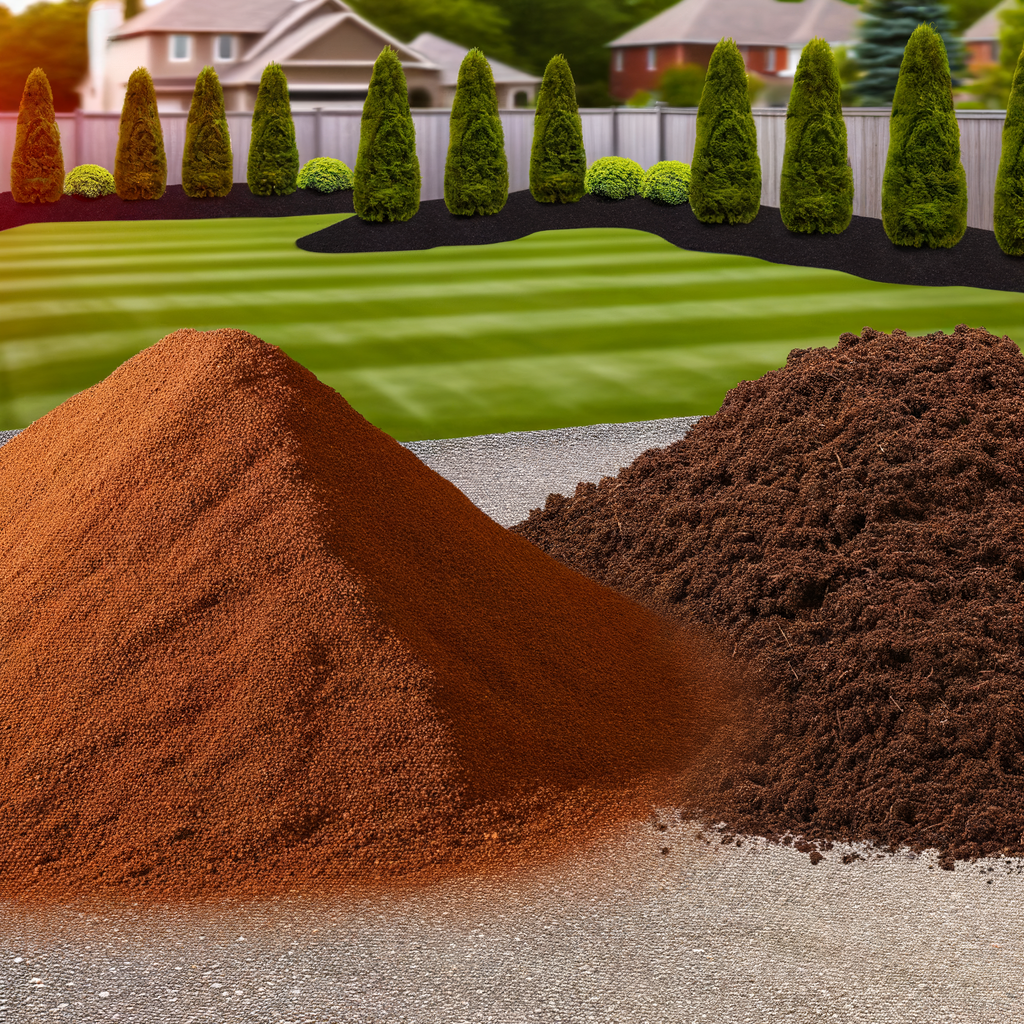
Screened topsoil is soil that has been passed through a mesh screen to remove rocks, sticks, and large debris. The result is a finer and more uniform texture. Unscreened topsoil is taken as is from the ground which means it may contain clumps, roots, and various natural materials.
According to mulchpros.com, both options provide essential nutrients but screening creates a finer texture that improves soil to plant contact. This difference is important when you want strong growth and healthy establishment.
Key Benefits of Choosing Screened Topsoil for Planting and Lawn Work
Screened topsoil offers a smooth and workable material that is ideal for lawns, flower beds, gardens, and overseeding. Its texture helps roots penetrate the soil quickly. It also spreads easily which makes leveling and smoothing areas much simpler. If you want help choosing the right screened topsoil for your lawn or garden, we can help with that 🌼.
When Unscreened Topsoil Is the Better Fit for Grading and Fill Work
Unscreened topsoil works well for applications where structure is more important than smoothness. If you are filling holes, building up low areas, or preparing a base layer before adding screened material, unscreened topsoil can be a more economical option. It is not usually recommended for final lawn or planting layers but it has an important role in many construction style landscape projects.
How to Evaluate Topsoil Quality Before Purchasing
Look for soil that has a balanced texture and does not contain excessive clay or sand. Healthy topsoil should have an earthy smell, not a sour one. You can also ask about soil origin so you understand whether the material was collected from a stable and uncontaminated location. If you want help evaluating the right product for your project, we can walk you through what to expect 👍.
Common Mistakes Buyers Make When Comparing Topsoil Options
One common mistake is focusing only on price. Lower cost soil sometimes contains debris that slows down installation or leads to uneven lawn surfaces. Another mistake is skipping the step of checking texture in person. Some buyers also misunderstand how much soil they need which leads to shortages or unnecessary extra loads.
Cost Considerations and How Screening Affects Pricing
Screened topsoil costs more because of the labor and equipment required to remove unwanted materials. The smoother and cleaner texture often saves time during installation which helps offset the added cost. Unscreened topsoil is more budget friendly and appropriate when large volumes are needed for foundational work.
How to Choose the Right Topsoil Supplier for Your Project Needs
Look for suppliers who describe their soil clearly and offer consistent product quality. Reliable suppliers can also give guidance about which soil type fits your specific application. If you want help deciding which supplier fits your project needs, we can help you with that 😊.
Questions landscape supply buyers often have
What type of topsoil should I use for starting a new lawn
Screened topsoil is usually the best option because its fine texture helps grass seed establish. It also spreads smoothly for an even surface. This creates a better base for long term lawn success.
Is unscreened topsoil safe for garden planting
Unscreened topsoil may contain debris that makes planting more difficult. It works better as a base layer rather than a final planting material. Screened soil provides a cleaner and more workable surface for gardens.
How much topsoil do I need for a landscape project
The amount depends on the square footage and desired depth. Many planting areas use about two to three inches of soil while lawn renovations often need more. A supplier can help you calculate the exact volume.

Comments
Post a Comment