How to Choose the Right Gravel for Drainage in Your Landscape Projects
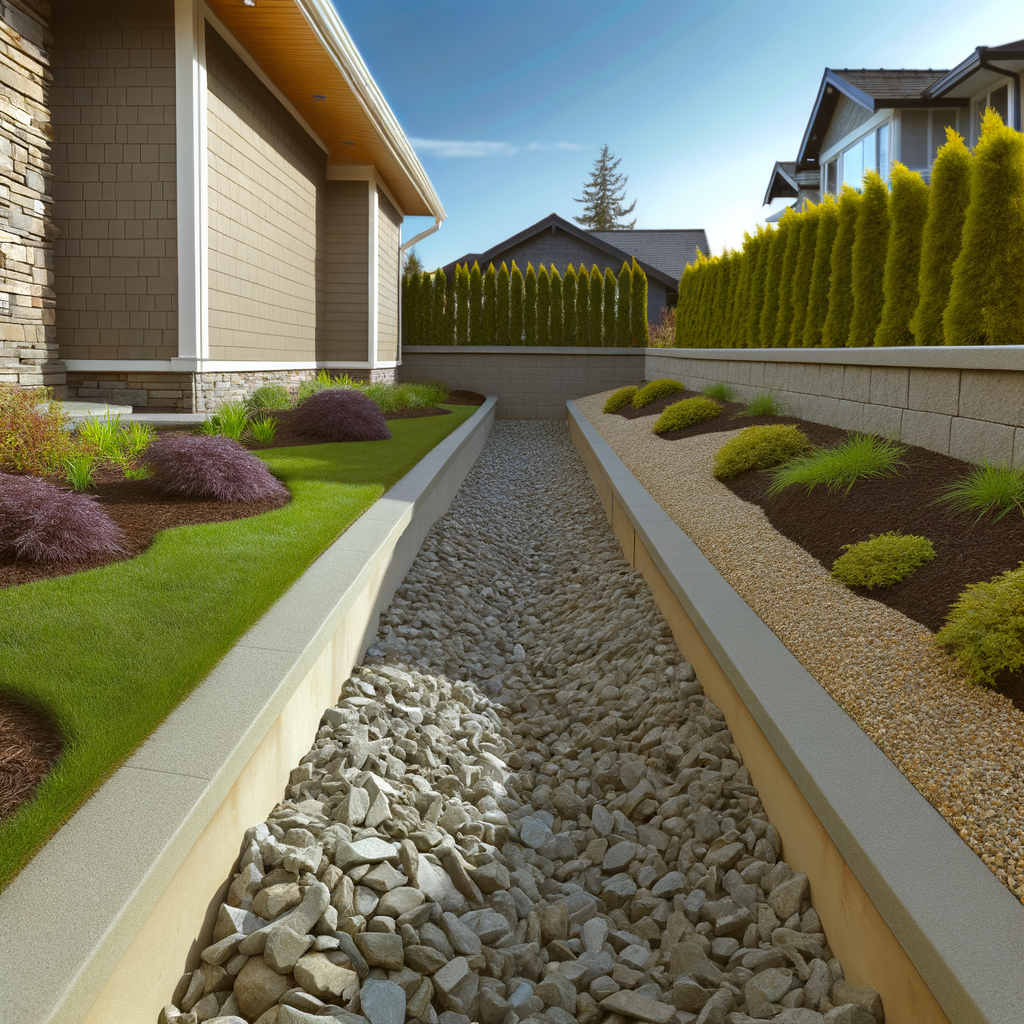
Why Proper Drainage Matters in Landscape Projects
Good drainage protects a landscape from pooling water, soil erosion, and plant stress. When water cannot move through the ground efficiently it can disrupt walkways, create muddy areas, and weaken structural elements. Gravel for drainage plays a key role in keeping water flowing where it needs to go.
What Makes Gravel Effective for Drainage
Gravel works by creating open spaces between stones that allow water to travel through the soil profile. The right stone shape and size help prevent compaction so water continues moving even during heavy rains. According to warelandscaping.com pea gravel is often a top choice because the small smooth stones allow water to pass easily.
Common Gravel Sizes and Their Drainage Performance
Pea gravel is one of the most widely used drainage options because it provides consistent movement of water without shifting too much. Larger crushed stones offer more structure and are great for areas where you want a base that supports heavy loads. Smaller particles offer smoother flow but may migrate if not contained properly.
How to Choose the Right Gravel for Drainage Based on Soil and Site Conditions
Clay soils drain slowly so a larger stone size is often the better fit to keep channels open. Sandy soils already drain well so pea gravel works nicely to improve structure without restricting flow. If you are unsure which option fits your site best I can help you work through the selection process.
Installation Tips to Maximize Drainage Efficiency
A stable base helps the gravel perform long term. Use landscape fabric to separate gravel from soil which prevents clogging and keeps the drainage path open. Install gravel in layers and gently compact each level so water can move evenly without creating soft spots.
Mistakes to Avoid When Selecting or Installing Drainage Gravel
Many issues happen when the gravel size does not match the water volume or soil type. Avoid using extremely fine material because it settles quickly and blocks the flow path. Also make sure the gravel depth matches the expected water load to prevent overflow during storms 🌧️.
How Weather, Slope, and Water Volume Affect Your Gravel Choice
Steeper slopes usually require angular gravel that locks together so the material stays in place. Areas with large water volume benefit from larger stone sizes that create deeper channels. Weather patterns matter as well since freeze and thaw cycles can shift material if the base is too shallow ❄️.
Where to Source Quality Gravel for Drainage for Your Next Project
You can find drainage gravel at local suppliers that specialize in bulk materials. If you want help getting landscape supplies I can help you compare options so you can choose what suits your project best. Quality stone gives your landscape long term reliability and better overall performance 🌱.
Common questions landscape supply buyers ask
What size gravel works best for typical residential drainage
Pea gravel is a common pick because it balances stability and water flow. It also fits well in trenches and around foundations. Many buyers prefer it for its simple installation.
How deep should drainage gravel be installed
Most drainage setups need a depth that keeps water moving without reaching the surface. A deeper layer works better for high flow areas. A shallow layer fits lighter landscaping features.
Can drainage gravel help reduce erosion
Gravel can help guide water through the soil which lowers the chance of surface washouts. When paired with proper grading it improves protection. It also supports long term soil stability 😊.


Comments
Post a Comment