Key Material Factors Landscape Supply Buyers Should Review When Choosing an Artificial Turf Base
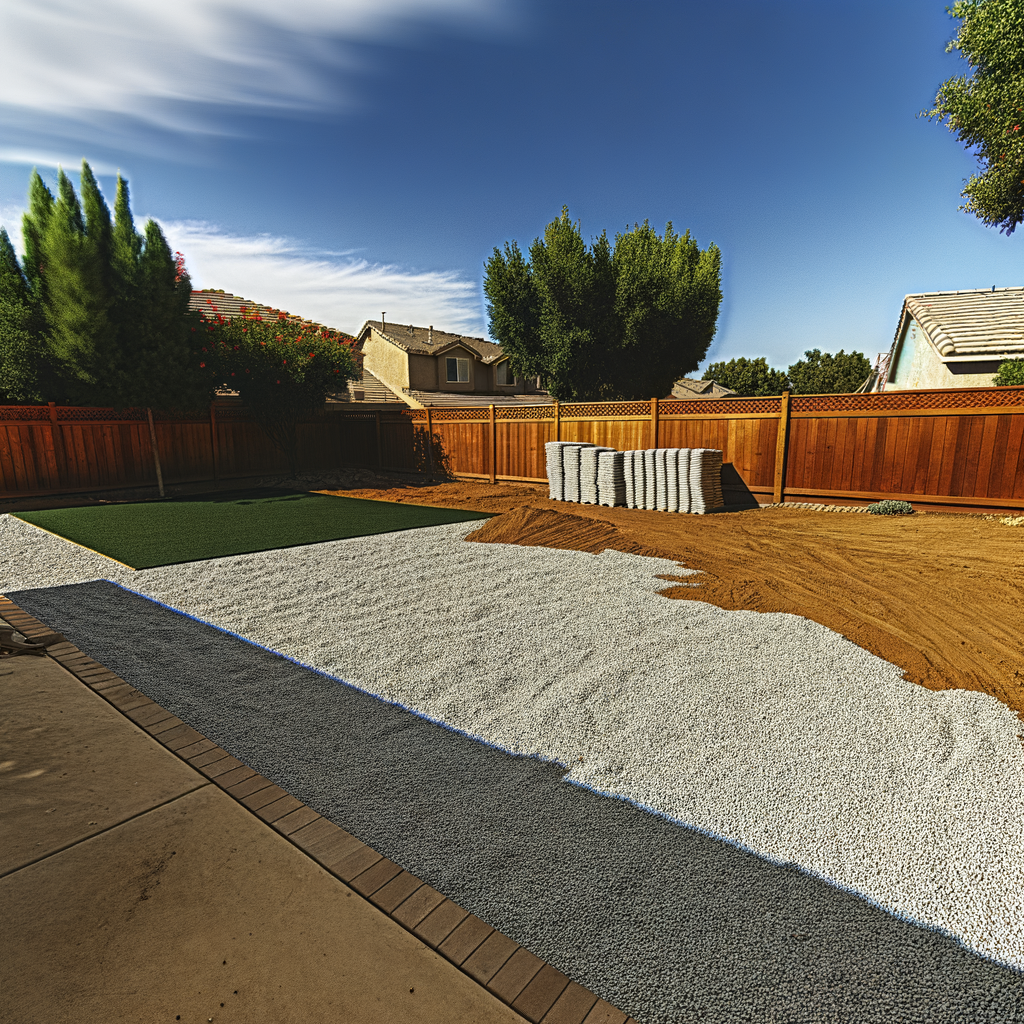
Why the Artificial Turf Base Matters in Long-Term Performance
The quality of an artificial turf base determines how well the surface holds up over time. A strong base supports durability, drainage, and consistent appearance. Buyers who take time to evaluate materials can create a surface that stays smooth and reliable for many years. 😊
Core Functions of a Properly Built Artificial Turf Base
A well built base stabilizes the surface and prevents shifting. It also allows water to disperse efficiently so the turf does not develop soft spots. When buyers understand these functions, choosing the right material becomes much easier.
Common Base Material Options and How They Compare
The most common choices include Class II road base, crushed miscellaneous base, decomposed granite, and coarse sand. Each material offers different compaction strengths and drainage performance. For example, crushed miscellaneous base and decomposed granite are both highlighted as top choices because they combine stability and drainage, which aligns with guidance from www.turfkingz.com. Their insight shows that understanding preparation and material characteristics helps extend turf longevity.
Drainage Considerations and Soil Conditions Buyers Should Evaluate
Drainage is one of the biggest factors affecting turf performance. Before selecting a base, review soil type to understand how quickly water can move through the ground. Clay requires more drainage support while sandy soil may need additional compaction. Ask for help if you want support evaluating your specific site conditions. 🌧️
Load-Bearing Requirements for Playgrounds, Sports Areas, and Residential Use
Different applications place different stress levels on the base. Playgrounds and sports areas need higher compaction to handle foot traffic and equipment. Residential lawns have lighter demands but still benefit from a stable and well compacted foundation. If you are unsure which load rating fits your project, I can help you understand your options.
Material Quality Indicators to Review Before Purchasing Base Products
Look for consistency in particle size and composition. Uniform material compacts more evenly and resists shifting over time. Also check whether the product is free from debris or organic material that can break down and cause settling. Buyers who focus on quality indicators early often see better results. 🌱
How to Coordinate With Installers and Suppliers for Accurate Material Needs
Good communication ensures that buyers order the correct amount of product. Share project dimensions, soil conditions, and drainage expectations with your supplier. If you need help estimating material based on your project layout, I can walk you through what to expect.
Final Checklist for Selecting the Right Artificial Turf Base
Identify your soil type. Determine drainage requirements. Confirm compaction goals for your intended use. Compare material options based on stability and water flow. Review quality indicators before placing any order. 👍
Questions landscape supply buyers often have
What material works best for a long lasting artificial turf base?
Crushed miscellaneous base and decomposed granite are both strong choices because they balance stability and drainage. The right pick depends on your soil and the project demands.
How do I know how much base material to order?
Most estimates depend on project size and planned base depth. You can share your measurements if you want help calculating an appropriate amount.
Does soil type change which base material I should choose?
Yes, soil plays a major role in drainage and compaction. Clay often needs enhanced drainage materials while sandy soil may require denser options to maintain a solid foundation.


Comments
Post a Comment