What Landscape Supply Buyers Should Review When Evaluating Color‑Fastness in Dyed Mulch for High‑Visibility Areas
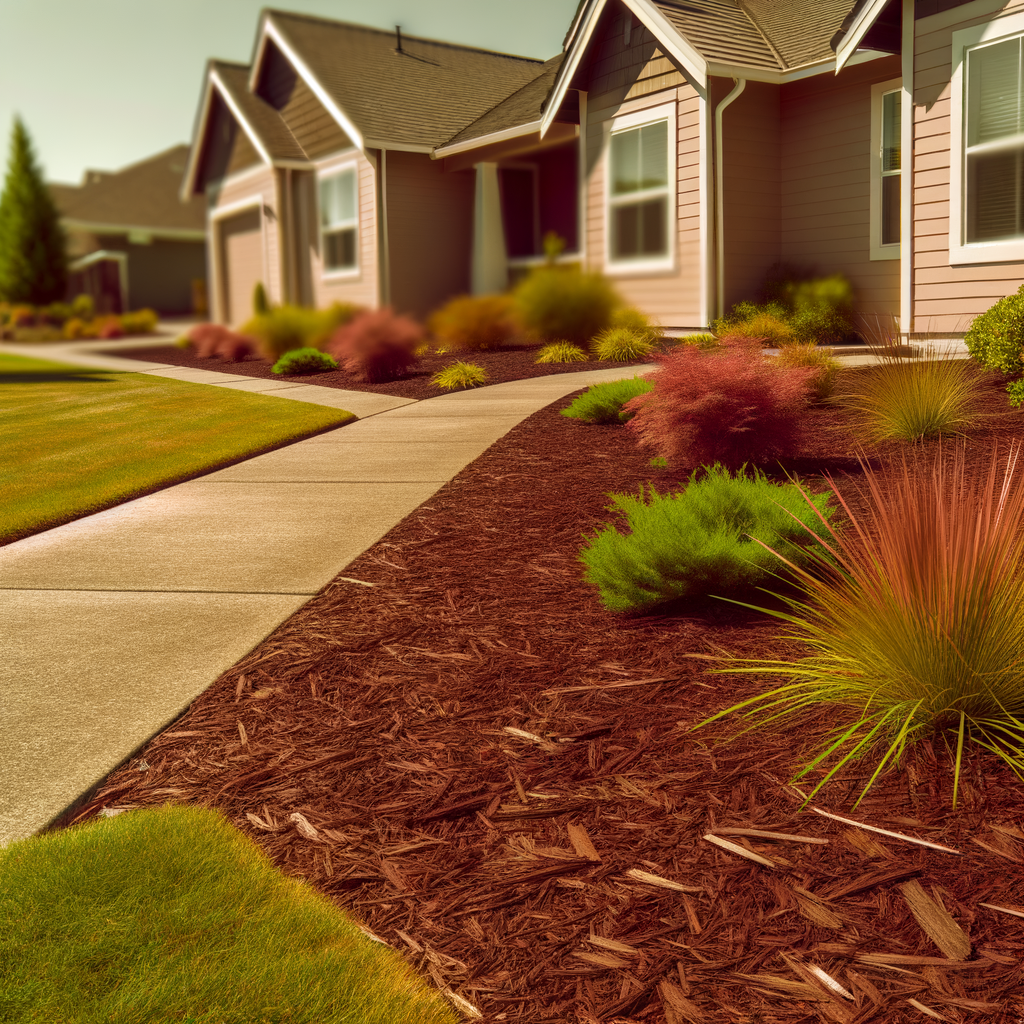
Why Color‑Fastness Matters in Dyed Mulch for High‑Visibility Projects
High visibility landscape areas deserve mulch that holds its color long enough to justify the investment. Dyed mulch offers rich tones that can transform entrances, signage areas, and public facing spaces 🌿. When the color fades too quickly, the whole design loses impact. If you want help choosing the right mulch for your project, I can help guide you through the decision.
How Dyed Mulch Is Made and What Affects Long‑Term Color Retention
Dyed mulch begins with either natural wood waste or premium wood fiber, then receives a coating of colorant that bonds to the surface. The strength of this bond affects how long the mulch maintains visual appeal. Industry guidance notes that color enhanced mulch often holds its tone for roughly one season from spring through fall, as highlighted by www.dalmansevergreens.com.
Environmental and Site Factors That Accelerate Mulch Fading
Sun exposure is one of the biggest drivers of color loss. Areas receiving full sun for most of the day may see faster fading compared to shaded spaces. Heavy rainfall and irrigation overspray also contribute by washing away surface particles. Windy areas can shift mulch more easily, exposing uncoated interior wood pieces.
Differences in Dye Quality and Mulch Material Types
Mulch manufacturers often use colorants designed to resist UV exposure and bond tightly to wood. Higher quality dyes generally provide more consistent appearance. Hardwood mulch tends to take color evenly, while softwood materials may vary more in tone. Choosing the right combination of material and colorant can reduce the need for frequent refreshes ✨.
Key Questions Buyers Should Ask Suppliers About Dyed Mulch
Buyers benefit from asking about the source of the wood used, the type of dye, and how long the mulch is expected to hold its color under typical conditions. Asking whether the mulch is made from recycled pallets or natural wood fiber can help clarify performance expectations. It can also help to ask about recommended depths and maintenance practices.
How to Evaluate Samples and Compare Supplier Claims
Physical samples give a clear view of texture, color richness, and consistency. Buyers should note whether the mulch has an overly glossy appearance or a natural matte finish. I can help walk you through ways to assess product samples before you finalize a supplier choice. Touching and comparing several products side by side often reveals which supplier offers greater color consistency.
Cost‑to‑Performance Considerations for High‑Visibility Landscape Areas
Choosing dyed mulch for prominent locations should balance appearance with longevity. Less expensive mulch may appear vivid at first but could fade quickly, requiring more frequent replenishment. Higher quality products may provide longer lasting color and reduce overall labor for refreshing the space. Determining the right balance helps maintain your landscape’s presentation without unnecessary cost 🔎.
Final Checklist for Selecting Reliable Dyed Mulch
Before purchasing dyed mulch, review the quality of the wood base, the durability of the pigment, and the environmental conditions of the installation site. Compare samples carefully and verify recommendations from your landscape supplier. If you want help thinking through these steps, I can help you review the choices available.
Questions landscape supply buyers often have
What affects how long dyed mulch keeps its color?
Sun exposure, rainfall, and the quality of the dye all play roles in color longevity. Mulch made with premium colorants often maintains a richer appearance longer.
Is hardwood or softwood better for dyed mulch?
Hardwood usually takes color more evenly, while softwood may show more variation. Choosing the right base material depends on the look you want and the site’s conditions.
How should I compare different mulch samples?
Look closely at the texture and richness of the color. Testing several samples side by side helps highlight differences that are not obvious at first glance.


Comments
Post a Comment