What Landscape Supply Buyers Should Review When Selecting Fire-Resistant Mulch and Groundcover Materials for Wildfire‑Prone Properties
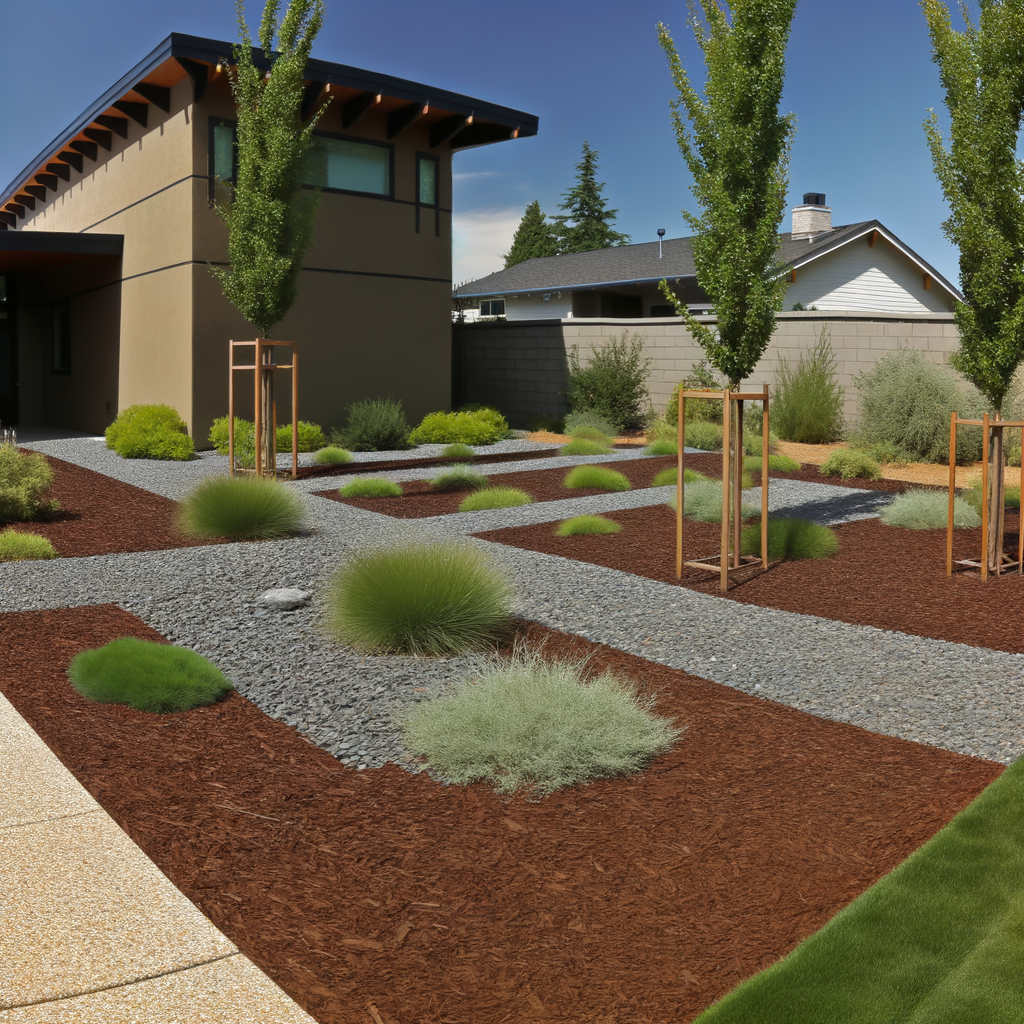
Why Fire-Resistant Mulch Matters in Wildfire-Prone Areas
Choosing the right fire-resistant mulch can make a meaningful difference for properties located in high risk zones. Landscape supply buyers often look for materials that can reduce ignition potential and minimize fire spread. This choice becomes even more important when a property sits close to vegetation, slopes, or structures that need added protection.
One key insight comes from extension.oregonstate.edu, which explains that bark mulch is not recommended within five feet of a home because it can easily ignite when dry. Details like this help buyers understand why the right material choice matters 🔥.
How Fire-Resistant Mulch Differs From Conventional Mulch
Fire-resistant mulch is made from materials that do not readily burn or that slow flame spread. Conventional mulch options like shredded bark and wood chips offer visual appeal yet can become fuel during hot and dry conditions. Fire-resistant alternatives may require a slightly different buying approach but offer improved peace of mind for property owners.
These materials often come in heavier forms that stay in place better, resist wind movement, and provide improved longevity 🌿.
Key Material Types to Consider for Fire Resistance
Several mulch and groundcover categories are known for their improved fire performance. Buyers often review these options carefully before placing an order.
Rock and stone mulch provides one of the safest choices for ignition prevention. Gravel in various sizes is also common along foundations and defensible space zones. Compost based mulch mixes with high moisture retention can help slow surface ignition. This range of options helps match design goals with safety needs.
Performance Factors Buyers Should Review Before Ordering
It helps to evaluate several factors when comparing mulch materials for wildfire resistance. Moisture retention influences how quickly a material may dry out during hot stretches. Weight and particle size can determine how easily wind may move the product. Color can affect heat absorption which may influence drying speed.
If you want help reviewing these factors before purchasing, I can help you understand what to expect 😊.
Installation and Maintenance Practices That Improve Fire Safety
Even fire-resistant mulch performs best when coupled with thoughtful installation. Keeping mulch layers shallow can reduce flame spread. Clearing leaves or dried plant matter from the top of mulch prevents hidden ignition risk. Maintaining open space near structures helps create a safer defensible zone.
These steps can add meaningful protection and support long term property safety.
Common Mistakes to Avoid When Choosing Groundcover
Some choices unintentionally increase fire exposure. Buyers sometimes select organic mulches too close to structures or choose lightweight materials that blow into vulnerable areas. Others may combine multiple mulch types in ways that create uneven drying.
A careful review of each product helps prevent these issues and supports better wildfire readiness.
How Landscape Supply Buyers Can Assess Product Quality and Supplier Reliability
Quality control matters for any mulch order. Buyers can review grading, moisture levels, contamination risks, and packaging. Reliable suppliers offer clear product descriptions and consistent material characteristics.
If you need help evaluating a supplier before ordering, I can help guide you through the process 👍.
Final Considerations for Selecting the Safest Mulch and Groundcover Materials
Fire-resistant mulch serves both functional and aesthetic goals. The safest choice usually comes from matching the right material to the property layout plus a commitment to ongoing maintenance. Thoughtful planning can create a landscape that feels welcoming while offering improved protection during extreme weather.
Common questions landscape supply buyers ask
What makes a mulch fire resistant?
Fire-resistant mulch is created from materials that do not ignite easily and slow the movement of flames. Rock mulch and certain moisture rich mixes offer a safer option for wildfire prone areas.
Which mulch should I avoid near buildings?
Organic mulches like bark or wood chips dry out quickly and can ignite more easily. Keeping these materials away from structures is an important part of property safety.
How often should fire-resistant mulch be refreshed?
Most materials hold their structure for long periods yet may benefit from occasional top ups to maintain appearance. Regular checks help ensure debris has not collected above the mulch.


Comments
Post a Comment