What Landscape Supply Buyers Should Review When Assessing Recycled Concrete Aggregate Quality for Base Layers and Driveway Projects
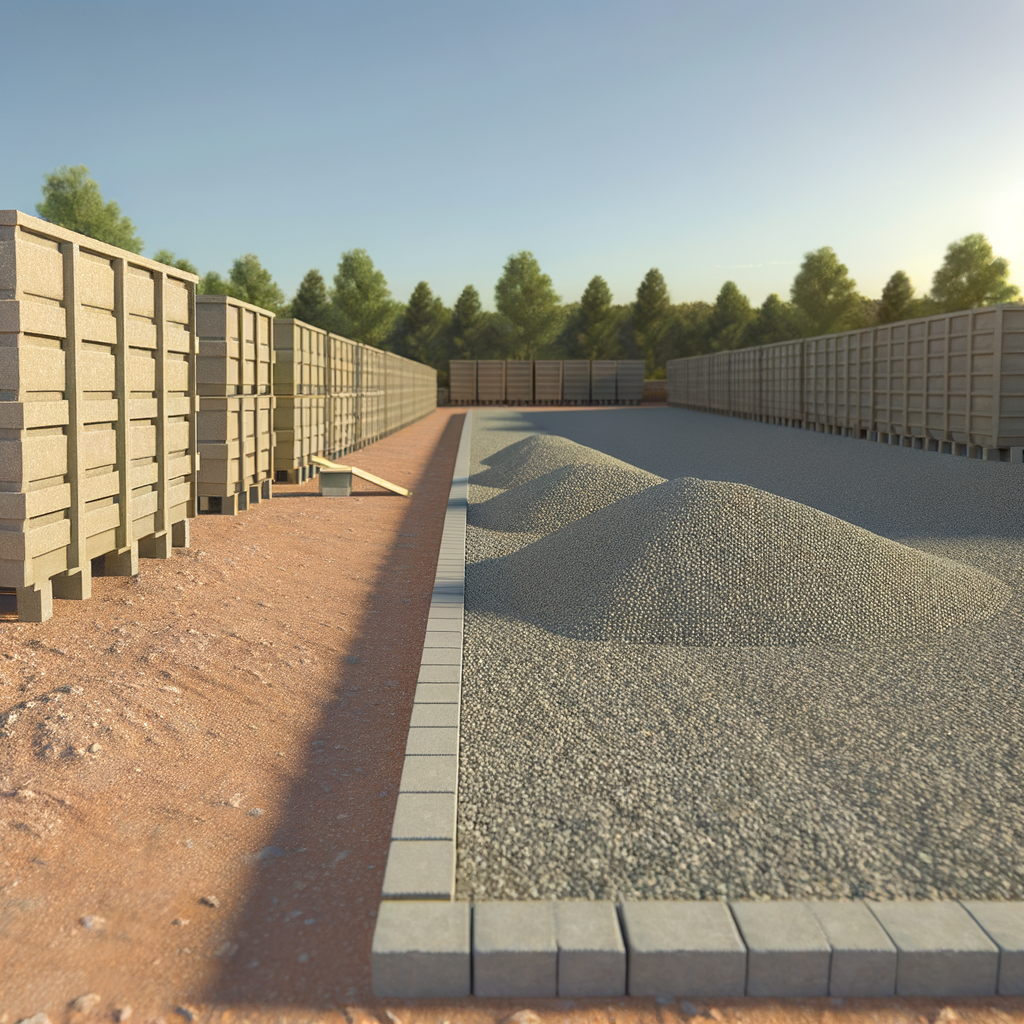
Recycled concrete aggregate is becoming a dependable option for base layers and driveway builds throughout the USA. It offers strength, cost efficiency, and a more sustainable path for landscape projects. Before choosing it for a job, buyers should understand the qualities that determine how well it will hold up under long term loads and changing weather conditions.
Introduction to Recycled Concrete Aggregate and Its Uses in Base Layers and Driveways
Recycled concrete aggregate, often called RCA, is made from crushed and processed concrete debris. It is widely used as a strong foundation layer for driveways, patios, walkways, and structural pads 🧱. Many buyers select it for its stability and predictable compaction, which are essential for surfaces that support vehicles or foot traffic.
Why Material Quality Matters for Long-Term Performance
Quality determines how RCA will behave once installed. Poorly processed material can shift, break apart, or fail to drain correctly. High quality RCA supports load distribution and reduces the likelihood of settling issues that can create uneven surfaces or premature ruts 🚗.
Key Physical Characteristics Buyers Should Examine
The physical makeup of RCA plays a major role in how it performs. Buyers should look at texture, hardness, and consistency. Well processed RCA has a solid blend of crushed concrete fragments with minimal fine dust. Its angular shape helps it interlock and compact more effectively than rounded alternatives.
Contamination Risks and How to Identify Clean, Reliable RCA
Contamination is one of the biggest concerns when assessing recycled aggregate. Material should be free of wood, metal, rebar pieces, and soil. Reliable yards typically use screening and magnetic separation to remove debris. A clean aggregate pile should appear uniform and free of unexpected materials 😊.
How Gradation and Particle Size Affect Compaction and Stability
Gradation refers to the mix of large and small particles within RCA. A well graded blend compacts into a dense foundation that resists shifting. Particle size also affects drainage performance since too many fines can limit water movement. Expert guidance on gradation can be found in resources such as johneekandson.com which highlights how proper selection influences function and long lasting results.
Questions to Ask Landscape Supply Yards Before Purchasing RCA
Asking the right questions can help buyers verify material quality. Useful points include how the aggregate is sourced, what processing steps are used, and whether the yard screens for contaminants. Buyers can also ask about available gradation options to match their specific project needs.
Common Mistakes Buyers Make When Choosing RCA
One common mistake is selecting RCA based only on price. Lower cost material may contain higher levels of fines or debris. Another mistake is overlooking compaction requirements which determine how stable the final surface will be. A third issue is choosing the wrong particle size for the intended project, which can lead to drainage problems or uneven settling.
Final Recommendations for Selecting High-Quality Recycled Concrete Aggregate
Buyers should target RCA that is clean, well graded, and consistent in texture. These traits support long term performance in driveway and base layer construction. If you want help comparing options or understanding what will work best for your project, I can help guide you 👍.
Questions landscape supply buyers often have
What makes recycled concrete aggregate suitable for driveway bases
RCA works well because its angular particles interlock and create a dense foundation. This helps distribute weight effectively under vehicles. It also compacts readily to create a stable surface.
How can I tell if RCA is clean and well processed
Cleansed RCA will look uniform without wood, metal, or soil clumps. It should contain mostly concrete fragments without excessive dust. Buyers can also ask how the material is screened.
Is a specific particle size better for driveway projects
A blended gradation often performs best for driveway bases. The mix of small and large particles helps achieve a tight compaction. It also improves stability over time.


Comments
Post a Comment