What Buyers Should Review When Selecting Washed Gravel vs. Unwashed Gravel for Drainage, Backfill, and Decorative Landscape Uses
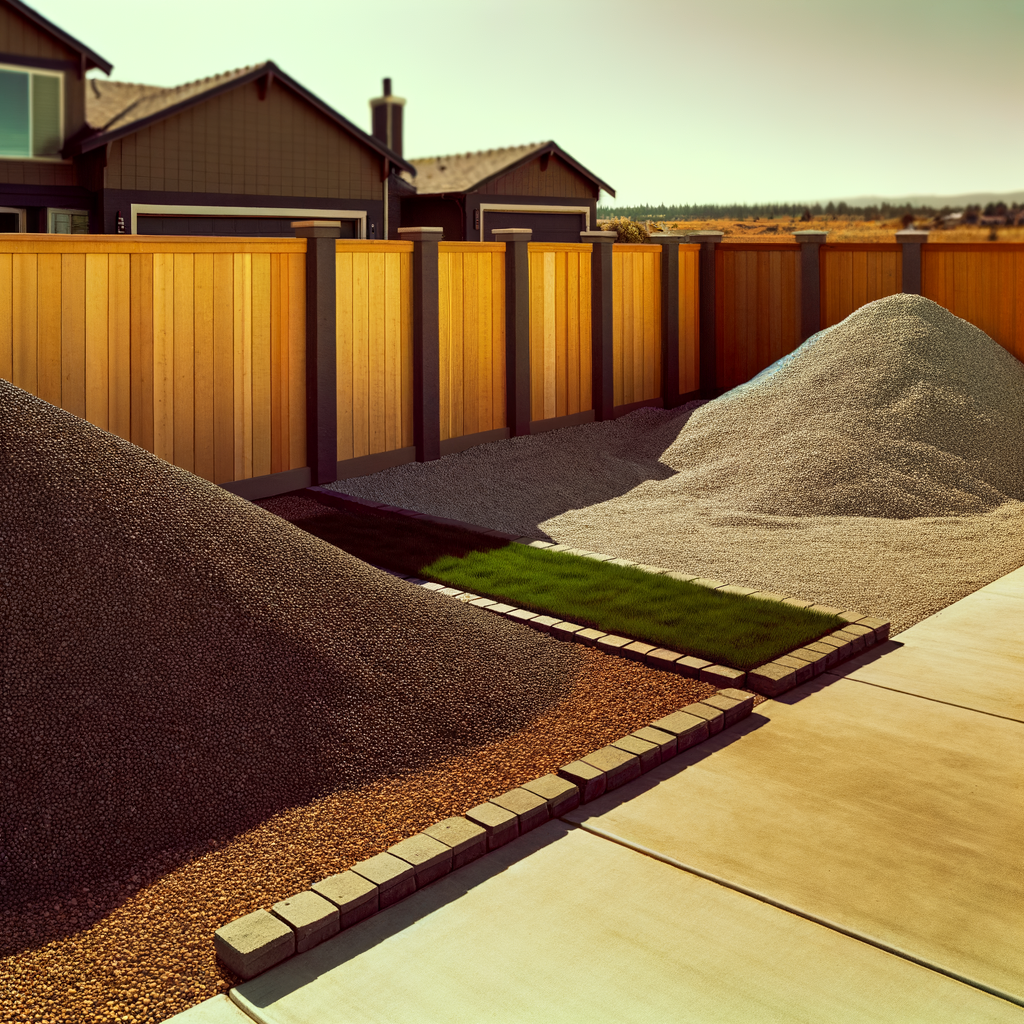
Choosing the right gravel for your landscape project can shape performance, drainage, and overall appearance 😊. Washed gravel and unwashed gravel each bring different strengths, so understanding what sets them apart helps buyers make confident decisions. If you want help reviewing materials for your project, we can help.
Introduction to Washed vs. Unwashed Gravel
For landscape supply buyers across the USA, the choice between washed gravel and unwashed gravel often comes down to drainage goals, backfill needs, and design preferences. Both materials come from the same natural rock sources yet behave differently once installed.
What Defines Washed Gravel and How It’s Produced
Washed gravel goes through a cleaning process where water removes dust and fine sediment. This produces a clean, polished material that performs well in drainage systems and areas where a tidy appearance matters.
Key Differences Between Washed and Unwashed Gravel
Unwashed gravel keeps its natural fines and earthy texture. It usually comes at a lower price point according to insights from hellogravel.com which makes it appealing for large fill jobs. Washed gravel offers a cleaner, more uniform look that supports predictable performance 🚧.
How Gravel Type Affects Drainage Performance
Drainage systems depend on material consistency and open pore space. Washed gravel performs well in drainage trenches, French drains, and around foundation systems because the washed particles allow water to flow without obstruction. Unwashed gravel absorbs some of that space with fine sediment which reduces water movement.
Choosing the Right Gravel for Backfill Applications
Backfill needs vary depending on soil type, pressure loads, and the structure being supported. Washed gravel is often selected when predictable compaction and clean water pathways are needed. Unwashed gravel works well when a natural fill material is acceptable and tight compaction is a priority.
Evaluating Aesthetic and Functional Needs for Decorative Landscaping
Decorative landscaping often calls for material that looks fresh and uniform. Washed gravel offers a clean and polished appearance that enhances garden beds, walkways, and planting areas 🌿. Unwashed gravel brings a rustic and natural feel that works well in larger rural landscapes.
Cost, Availability, and Material Quality Considerations
Material cost can influence your choice. Washed gravel typically costs more due to the extra processing. Unwashed gravel is often available at a lower price which helps when covering large areas. Availability changes by region, so buyers typically review local supply in advance.
How Buyers Can Make the Right Selection for Their Project
Your ideal gravel depends on drainage needs, design goals, and the structural role the material must support. If you want help walking through your options, we can help you compare materials so you can feel confident moving forward 😊.
Common questions landscape supply buyers ask
What makes washed gravel better for drainage
Washed gravel contains no fine sediment which helps water move freely. This makes it a dependable option for drains and wet areas. Buyers often choose it when consistent water flow is important.
Is unwashed gravel suitable for backfill
Unwashed gravel can work well for backfill when natural compaction is acceptable. The fines help the material settle tightly. It is often selected for large volume fill situations.
Which gravel type works best in visible landscape areas
Washed gravel offers a clean and uniform look which fits well in decorative spaces. Unwashed gravel adds a rugged and natural appearance. The right option depends on the style you want to achieve.


Comments
Post a Comment