Understanding Landscape Fabric Cloth and How It Impacts Soil, Drainage, and Long‑Term Weed Control
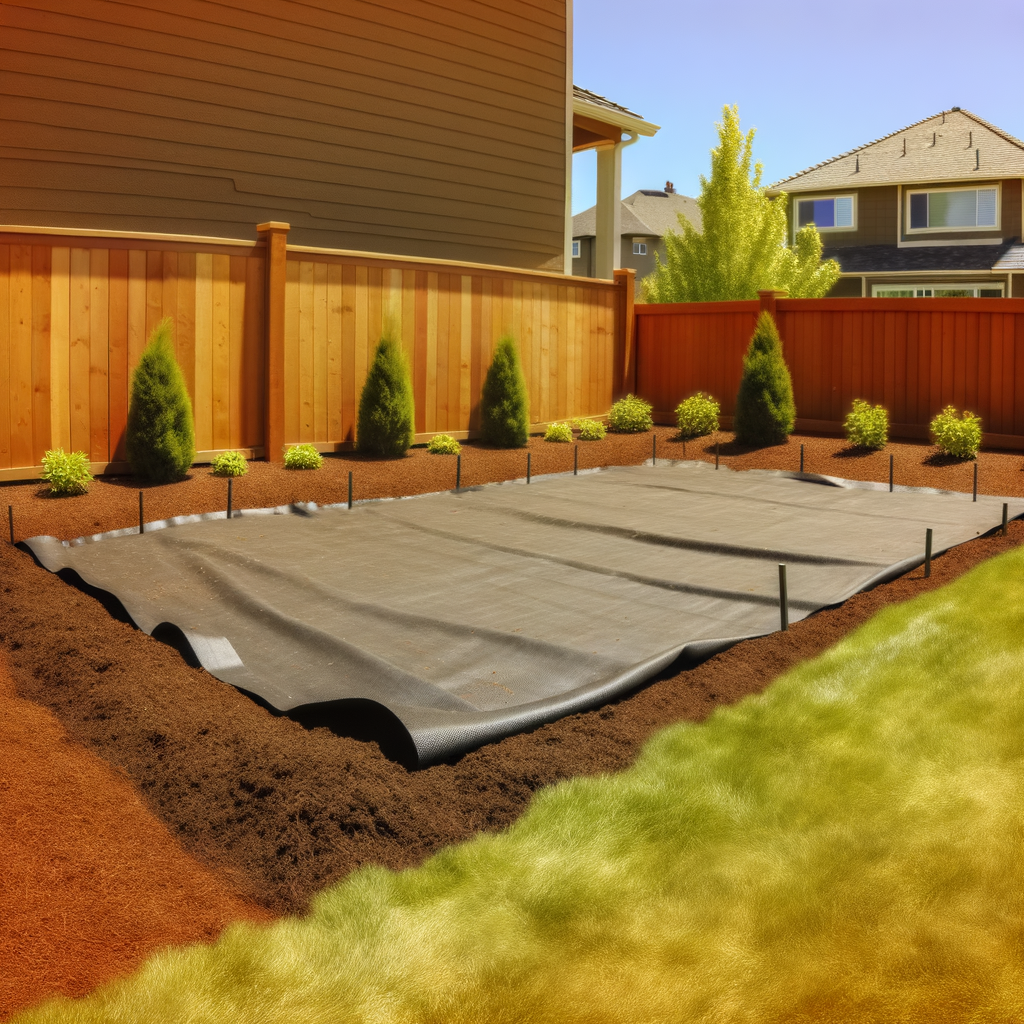
What Landscape Fabric Cloth Is and Why It’s Used
Landscape fabric cloth is a woven or nonwoven material designed to suppress weeds, support soil stability, and create long lasting structure under mulch, gravel, or decorative groundcover. Many buyers choose it because it creates a cleaner and more predictable outdoor surface 🌱. It also helps reduce long term maintenance by creating a barrier that stops unwanted growth where you need consistent landscape performance.
How Landscape Fabric Cloth Is Manufactured and Its Key Features
Manufacturers typically use polypropylene or polyester fibers that are either woven tightly or bonded in a nonwoven pattern. Woven fabric is known for strength and stability while nonwoven material offers better filtration. The fabric type you choose will impact longevity, permeability, and how well it performs across different soil conditions. Many products include UV stabilization to handle long periods of sun exposure ☀️.
Effects on Soil Health and Root Development
Landscape fabric cloth acts as a separator between the soil and surface layers. This can help preserve soil structure while preventing mixing with mulch or stone. It is important to leave open spaces around new plantings so roots can access moisture and nutrients without restriction.
How Landscape Fabric Cloth Influences Drainage and Moisture Levels
The permeability of the cloth helps regulate water movement. According to www.anitaplastics.com, woven landscape fabric slows down water flow which helps prevent soil from washing away and keeps unwanted weeds from taking over. This is helpful for sloped or erosion prone areas where consistent drainage is essential 💧.
Comparing Landscape Fabric Cloth to Other Weed Control Options
Mulch alone provides modest weed suppression but offers no physical barrier. Chemical treatments reduce growth but require ongoing application. Rubber or plastic sheeting blocks growth but often restricts water movement. Landscape fabric cloth provides a balanced option because it stops weeds while still allowing proper air and water exchange. Buyers wanting predictable control without constant reapplication often prefer this material.
When Landscape Fabric Cloth Is the Right Choice for Your Project
This material performs well under rock beds, pathways, and permanent planting zones. It also works for projects where soil control is a priority such as borders, slopes, and drainage zones. If you want help deciding which fabric thickness or style fits your project, I can help you compare options that match your site conditions.
Common Installation Mistakes to Avoid
One mistake is stretching the fabric too tightly which prevents it from settling naturally with the soil. Another is failing to use proper securing pins which allows gaps that weeds can exploit. Buyers also sometimes place mulch too thinly on top which reduces long term weed suppression. A final issue is skipping landscape edging which helps prevent fabric shifting over time.
How to Choose and Purchase the Right Landscape Fabric Cloth
Match the material to the weight of use. Lighter cloth works well for gardens or temporary beds while heavy duty woven material is ideal for walkways or stone filled areas. You can also look for UV protection and labeled permeability so moisture flows correctly. If you need help choosing the right landscape fabric cloth for your project, I can walk you through what to consider before you purchase 👍.
Common questions landscape supply buyers ask
What fabric weight should I choose for my project?
Lightweight fabric is best for planting beds while heavier options support rock or high traffic surfaces. The right weight helps ensure stability and long term performance.
Can landscape fabric cloth be used on slopes?
It can work well on slopes because it helps stabilize soil and supports proper drainage. Correct installation and secure pinning improve its effectiveness.
How long does landscape fabric typically last?
Most fabrics last several years when covered properly and shielded from direct sunlight. Choosing a UV stabilized product can extend durability.


Comments
Post a Comment