How to Evaluate Cleanliness Standards in Bulk Sand Gravel to Prevent Contamination in Landscape and Construction Projects
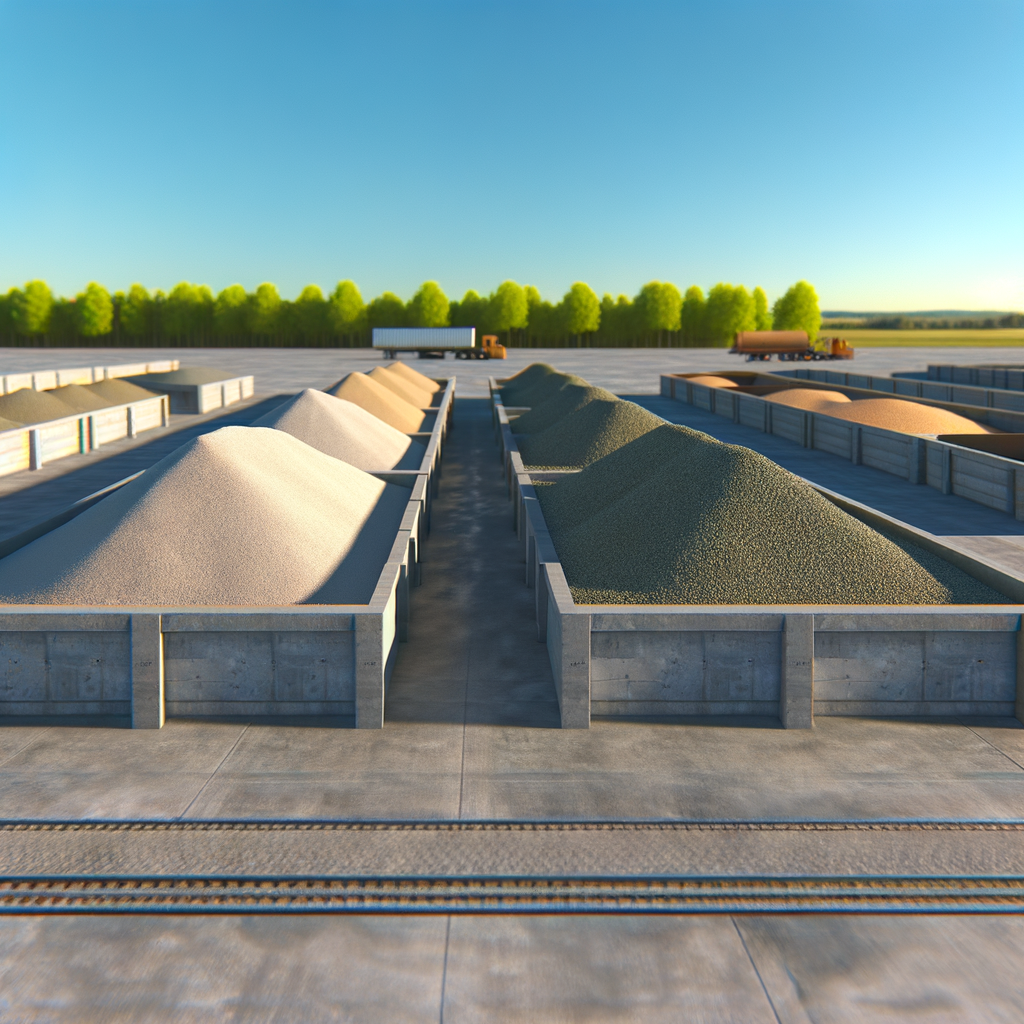
Why Cleanliness Matters in Bulk Sand Gravel for Landscape and Construction Work
Clean bulk sand gravel is essential when you want strong, safe, and visually consistent results in landscape or construction projects. Contaminants can compromise compaction, drainage, and even plant health. A clean material supply also helps projects stay predictable which avoids surprise issues that can slow you down 😊.
Common Sources of Contamination in Bulk Aggregates
Contamination can originate from soil with chemical residues, stockpiles stored on unprotected ground, or equipment that has not been cleaned between uses. Even debris like wood, plastic, or organic matter can disrupt how bulk sand gravel performs. Understanding where contaminants come from helps you avoid materials that create unnecessary risk.
Key Cleanliness Standards to Look For When Purchasing Bulk Sand Gravel
Clean aggregates should be screened, washed, and sourced from verified locations that protect against runoff or cross contamination. The most reliable suppliers provide consistent gradation and minimal fine particles that affect compaction. Industry guidance supports asking for laboratory results or environmental certifications that show materials are free from harmful contaminants such as heavy metals or chemicals which is reinforced by insights from www.soilconnect.com.
How to Visually Inspect Material Quality Before Delivery
A quick visual inspection can help you verify cleanliness. Look for uniform color and size along with the absence of paper, roots, or crushed debris. Clean aggregates should feel consistent when handled and should not have unpleasant odors that might suggest contamination.
Questions to Ask Suppliers to Ensure Clean, Reliable Aggregates
You can ask how the material is sourced and what cleanliness processes are used. It is also helpful to ask whether the stockpile is protected from runoff or surrounding material. If you want help getting landscape supplies that match high cleanliness standards, we can help 👍.
Impacts of Poor Quality Materials on Project Performance and Costs
Contaminated or inconsistent bulk sand gravel can lead to drainage failures or weak compaction which results in higher maintenance costs. It may also cause premature erosion or settling that forces expensive rework. The most costly issue is often the time lost when materials do not meet project requirements.
How Professional Landscape Supply Partners Maintain Cleanliness Standards
Reliable suppliers follow organized stockpile management and use well maintained equipment to avoid cross contamination. Material is often sourced from controlled sites that prioritize environmental protection. If you want help walking through what to expect when you request clean aggregates, we can guide you through the process 🙂.
Steps Buyers Can Take to Ensure They Receive Clean Bulk Sand Gravel
You can request source documentation, ask about washing and screening methods, and verify that the material has been stored on a clean pad. It also helps to schedule material checks at the time of drop off. These simple steps reduce risk and help keep your project running smoothly from start to finish.
Common questions landscape supply buyers ask
How can I be sure the sand or gravel is clean?
Suppliers can provide details on their screening and washing processes. You can also request documentation about how the material is sourced and stored.
What should I look for when the material is delivered?
Check for consistent size and color along with the absence of debris. A quick inspection helps confirm you are receiving the quality you expected.
Does contaminated material always affect project performance?
It often reduces compaction and drainage reliability which affects long term durability. Even small contaminants can create uneven results that lead to additional work later.


Comments
Post a Comment