How Aggregate Crushed Stone Shape Impacts Compaction Quality for Walkways and Base Layers
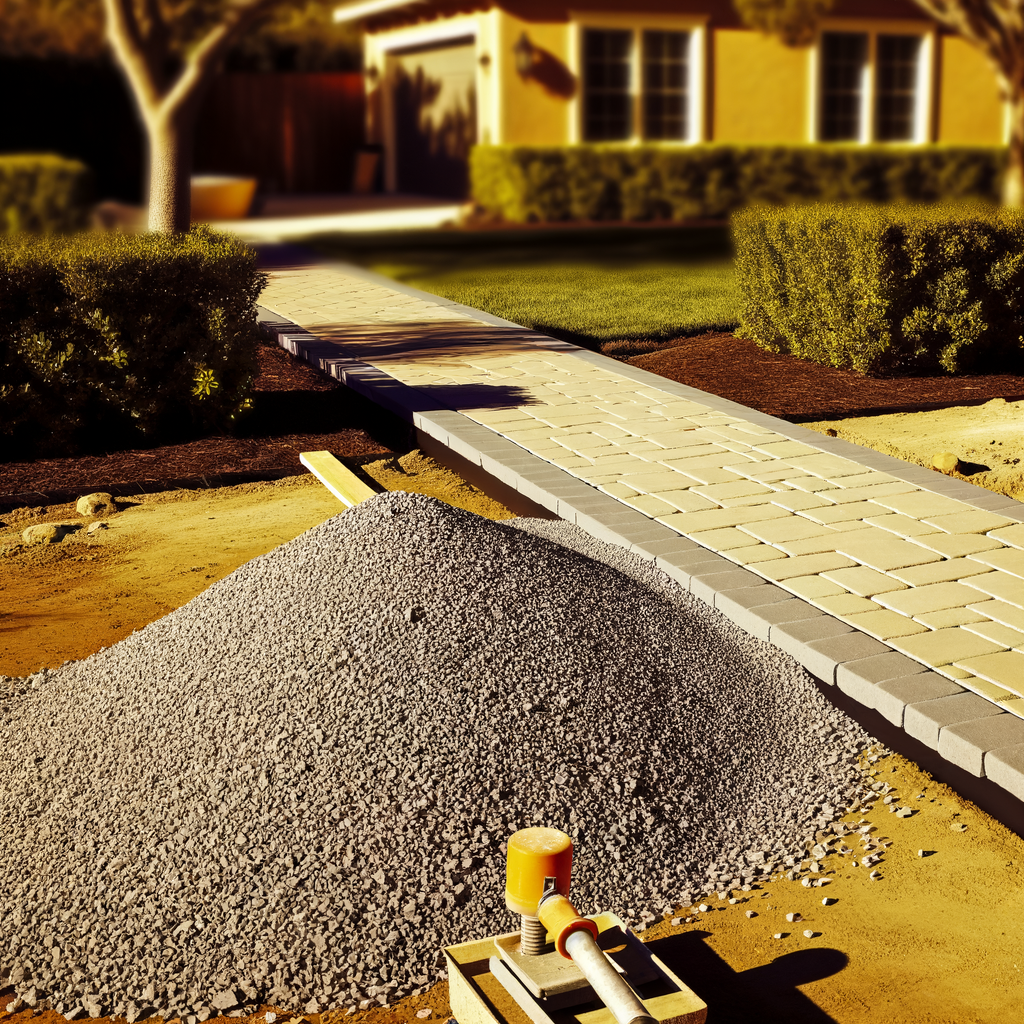
Introduction to Aggregate Crushed Stone in Landscape Projects
Aggregate crushed stone is one of the most important building blocks in landscape construction. Whether you are creating a walkway, laying a patio base, or preparing a foundation for outdoor features, the stone you choose influences long term performance and stability. Choosing the right material early on keeps your project smooth and dependable 🌿.
Why Aggregate Shape Matters for Stability and Performance
Many buyers focus only on stone size, but the shape of aggregate crushed stone plays an equally important role. Shape impacts how particles interlock, how they compact, and how well the base layer holds up under pressure. Well chosen stone can make a walkway feel solid and prevent future unevenness or settling.
Differences Between Angular, Sub Angular, and Rounded Stone
Angular stone contains sharp edges that allow pieces to lock together tightly. This creates dependable stability for most landscape bases. Sub angular stone still compacts well but has slightly smoother edges that allow easier leveling. Rounded stone has no sharp edges and is typically unsuitable for structural bases because it shifts under pressure. Each type serves a purpose, but only some produce the compaction needed for walkways and hardscape foundations.
How Shape Influences Compaction Quality in Walkways and Base Layers
Angular aggregate crushed stone produces the strongest compaction because the pieces grip one another under force. This concept is also supported by www.dirtconnections.com, which explains that angular material locks together effectively during compaction. When the particles stay in place, your walkway or patio base remains firm even after years of foot traffic. Rounded stone does not provide the same pressure resistance or stability.
Common Mistakes When Choosing Aggregate Crushed Stone
A frequent mistake is selecting a decorative stone instead of a structural base stone. Decorative options can look appealing but lack the angular edges needed for compaction. Another mistake is using a single layer of stone when your project requires a multi layer base. If you want help choosing the right material for your project, I can help 👍.
How to Select the Right Aggregate for Your Specific Application
Walkways, patios, and foundation bases generally need angular aggregate crushed stone because it creates dependable support. For drainage projects, a slightly larger or more open graded stone might be the better choice. Start by identifying the project type then select the shape and size that matches the structural requirements. If you want guidance, I can walk you through the expected material specifications.
Benefits of Buying the Correct Aggregate from a Landscape Supply Provider
When you select the correct material from a trusted landscape supply provider, you get better consistency, cleaner product, and fewer project delays. Consistent stone size and shape create a smoother installation, and quality control reduces the risk of contamination that could weaken your base. Reliable materials also reduce long term maintenance for your outdoor spaces.
Final Tips for Ordering and Verifying Aggregate Quality
Before placing an order, confirm the stone type, gradation, and intended use. Look for material that is clean, well graded, and clearly labeled. When your delivery arrives, verify that the stone matches what you expected. If you ever want help reviewing your order, I can help you with that 😊.
Common questions landscape supply buyers ask
What type of stone is best for walkway bases
Angular aggregate crushed stone is typically the best option because it provides secure compaction. The edges lock together and create a stable foundation.
Can rounded stone be used under pavers
Rounded stone shifts under pressure and usually does not compact well. This can lead to uneven pavers and poor long term performance.
How do I know if the stone delivered is the correct type
You can check the shape, size, and cleanliness of the material. If anything looks off, you can ask for clarification to make sure it fits your project needs.


Comments
Post a Comment