Which Types of Mulch Offer the Best Weed Suppression for Residential and Commercial Landscapes?
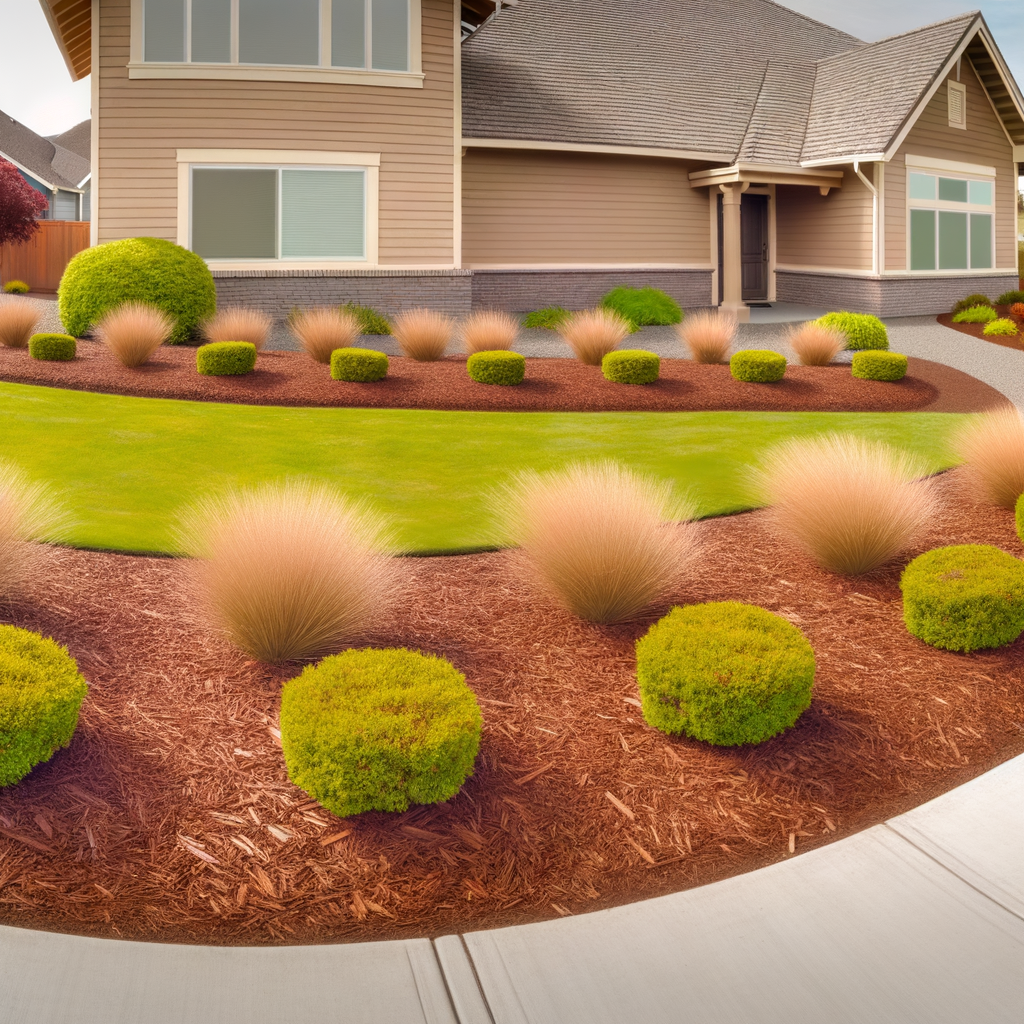
Understanding How Different Types of Mulch Impact Weed Control
The right types of mulch can dramatically reduce weed pressure in both residential and commercial landscapes. Mulch blocks sunlight, slows weed germination, and creates a physical barrier that makes it harder for unwanted growth to break through. A premium hardwood mulch that is not reused and made from a consistent organic blend, like the type described by www.grassperson.com, can offer dependable performance for many projects.
Benefits of Using Mulch for Residential and Commercial Weed Suppression
Mulch provides a clean finished look while helping soil maintain moisture levels. This creates healthier plant environments and less maintenance for property owners. It also offers reliable surface protection that reduces erosion during heavy rainstorms 🌧️.
Organic Mulch Types and Their Effectiveness Against Weeds
Organic mulches like hardwood, cedar, pine bark, and straw decompose slowly and enrich the soil. Hardwood mulch often provides strong weed control because it forms a dense layer that blocks light. Cedar mulch adds a pleasant scent and offers slow breakdown, which helps with long term coverage.
Inorganic Mulch Types and Their Weed Control Performance
Gravel, stone, and rubber mulches stay in place longer and do not break down, which helps limit weed growth in high traffic or commercial areas 🚧. Stone mulch is especially useful around buildings or drainage zones where water flow needs to stay consistent. Rubber mulch provides cushioning for playgrounds and can still minimize weed growth in the soil beneath.
Factors to Consider When Choosing a Mulch Type for Weed Suppression
Consider maintenance needs, soil conditions, and the overall design of your landscape. Organic mulch is often the best choice for plant heavy beds. Inorganic mulch works well near structures or in areas where long lasting coverage is preferred.
Common Mistakes That Reduce Mulch Effectiveness
Applying mulch too thin allows sunlight to reach the soil, which encourages weed growth. A layer that is too thick can limit airflow and trap excess moisture. Mulch placed directly against plant stems or tree trunks can cause rot, so keeping a small gap is essential 🌱.
How to Select the Right Mulch Type for Your Landscape Needs
Start by identifying whether the area requires long lasting coverage or nutrient improvement. Organic mulches add value to garden beds, while inorganic options shine in commercial zones and high durability spaces. If you want help choosing the best material for your project, I can help guide you through that.
Where to Source Quality Mulch for Landscaping Projects
Local landscape supply yards provide the broadest selection and the most consistent bulk availability. Delivery options help streamline large projects and ensure you have the right amount of material ready to go. If you are needing landscape supply, I can help you connect with reliable sources.
Common questions landscape supply buyers ask
What depth of mulch works best for weed suppression
Most landscapes do well with a depth of two to three inches. This gives enough coverage to block light while keeping airflow healthy.
What type of mulch lasts the longest
Inorganic mulches like stone and rubber last the longest since they do not break down. These choices work well for areas that need stable long term coverage.
How often should mulch be refreshed
Mulch usually benefits from a refresh each season. This helps maintain an even appearance and supports reliable weed suppression.


Comments
Post a Comment