What to Look For When Choosing Paver Sand for Stable, Long‑Lasting Installations
Why the Right Paver Sand Matters for Installation Quality
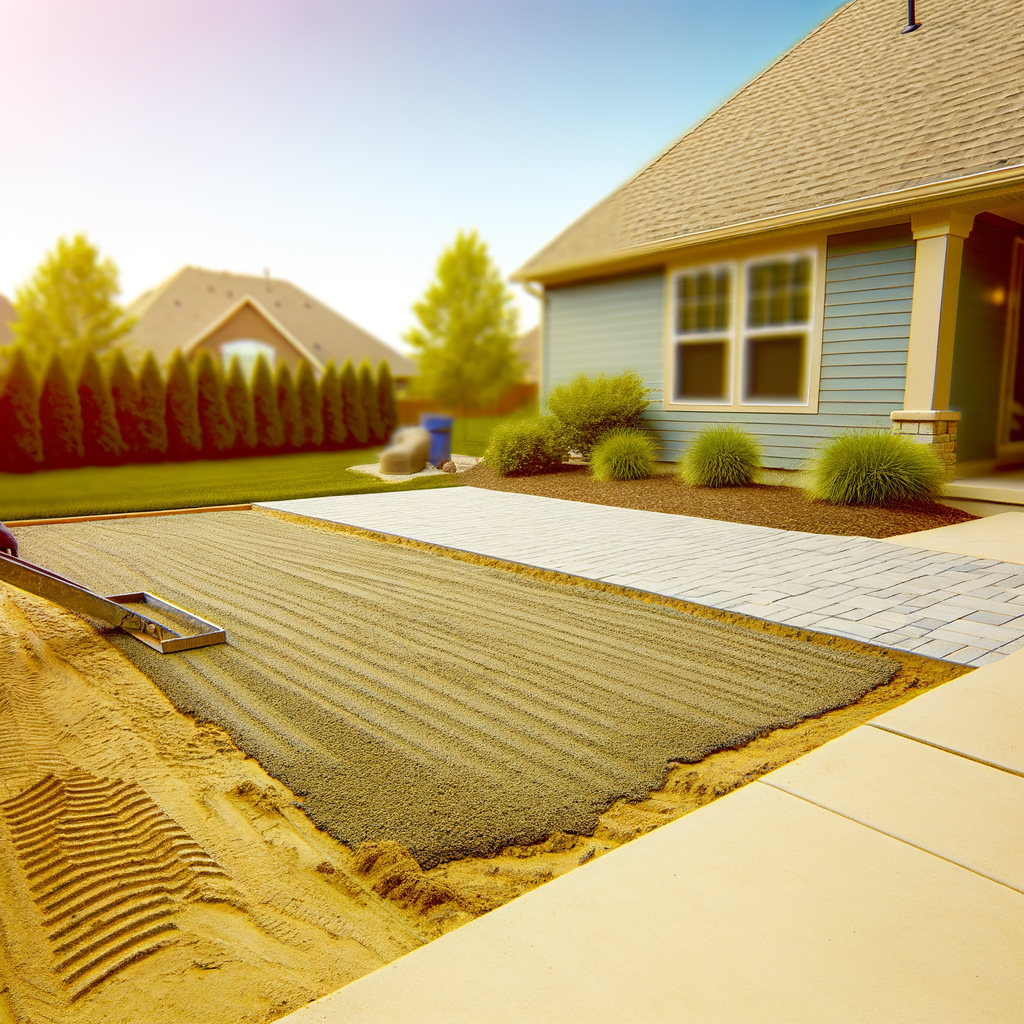
Selecting the right paver sand affects how solid your paved surface feels, how well it drains, and how long the installation lasts. The sand forms the foundation that keeps everything locked in place 😊. When the sand is inconsistent or poorly graded, pavers can shift and settle unevenly over time. Choosing the right material from the start helps you get the strong and stable finish you expect.
Types of Paver Sand and Their Key Differences
There are several options to consider when shopping for paver sand. Concrete sand is one of the most common choices because the grains are sharp and well graded, which supports strong compaction. According to www.groupebellemare.com, concrete sand is ideal for concrete paver installations because it offers excellent drainage and stability.
Other sands like masonry sand or washed sand can work for certain applications, but they may have finer grains that compact differently. Understanding these differences helps you pick a base and joint material that fits your project’s needs.
Essential Properties to Look For in High Quality Paver Sand
High quality paver sand should have consistent grain size, minimal dust, and enough angularity to lock together when compacted. Consistency is important because irregular materials create soft spots under the pavers. The best sands feel clean and gritty rather than powdery or silty.
If you want help comparing your options, I can help you sort through the choices 👍.
How Sand Selection Impacts Drainage, Stability, and Longevity
The right sand lets water pass through without eroding the base. Good drainage prevents frost heave and keeps the pavers from shifting during seasonal changes. Stable compaction keeps the surface smooth, helps prevent tripping hazards, and supports long term durability.
Choosing quality sand is one of the simplest ways to protect your investment and reduce future maintenance.
Common Mistakes to Avoid When Buying Paver Sand
Many buyers select sand based only on price, which often leads to choosing material that is too fine or inconsistent. Another common mistake is assuming that any sand will compact the same way. Avoid materials that contain too much clay or dust because they can cause drainage problems and joint failure.
If you are needing landscape supply, I can help you understand what to look for before you buy.
How to Estimate the Amount of Paver Sand You Need
You can estimate sand requirements by measuring the area and planning for a consistent layer beneath the pavers plus additional sand for filling the joints. It helps to measure carefully and round up to ensure you have enough for compaction and final adjustments. A little extra material protects the project from delays 😄.
Where to Buy Reliable, Consistent Paver Sand
Most buyers source paver sand from landscape supply yards because they provide consistent material in bulk quantities. Look for suppliers who clearly identify the sand type and grading. If you want help finding the right supplier for your area, I can help guide you through the options.
Final Tips for Ensuring a Durable Paver Project
Start with a stable base, choose high quality paver sand, and compact each layer thoroughly. Plan for proper drainage and take your time with preparation. With those steps in place, your paver installation will have the strong foundation it needs for long lasting performance.
Questions landscape supply buyers often have
What type of paver sand works best for most installations?
Concrete sand is a common choice because the grains support strong compaction and good drainage. It also works well with many types of pavers.
How can I tell if the sand is high quality?
Clean sand with consistent grain size provides the best results. Avoid materials that feel overly dusty or contain clay.
Do I need different sand for the base and the joints?
Many projects use concrete sand for the base and a finer jointing material on top. The goal is to support both stability and proper interlock between the pavers.


Comments
Post a Comment